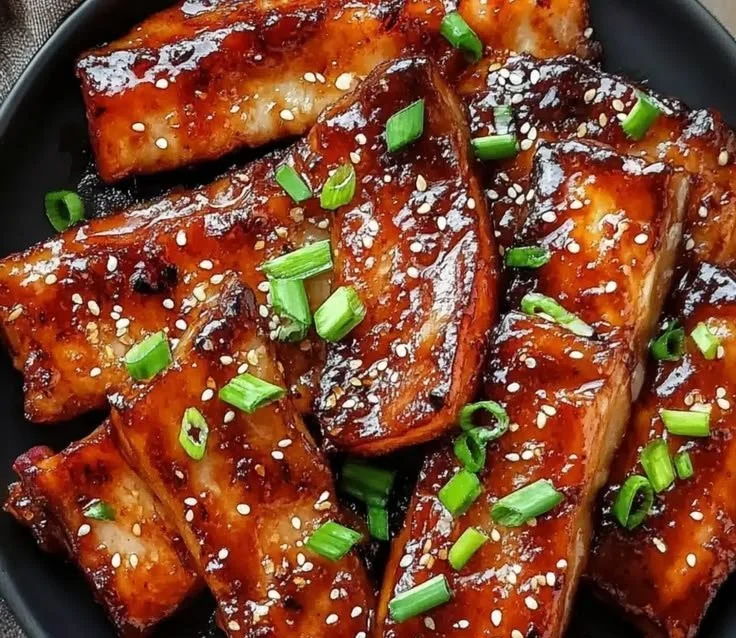
There’s something magical about the sizzling sound of pork belly cooking in a hot skillet. The aroma wafts through the kitchen, enticing everyone within reach to drop what they’re doing and make their way to the source of that delectable smell. As a food enthusiast, I’ve always admired the intersection of simplicity and flavor, and this Crunchy Korean Pork Belly Skillet does just that. Inspired by my travels in Korea, where I tasted street food that packed a punch of flavor, I often find myself recreating those dishes at home. This recipe is a homage to that culinary experience, combining spicy, sweet, and savory elements that will leave your taste buds dancing.
Recipe Timing
- Prep Duration: 10 minutes
- Active Cooking: 15 minutes
- Total Duration: 25 minutes
- Portion Size: Serves 4
- Complexity: Simple
Nutritional Recipe
- Calories per portion: Approximately 400
- Protein: 20 grams
- Carbs: 20 grams
- Fats: 28 grams
- Fiber: 1 gram
- Sugars: 8 grams
- Sodium: 850 mg
Why You’ll Love This Crunchy Korean Pork Belly Skillet Ready in Under 30 Minutes
This dish perfectly balances crunch and flavor, providing a satisfying meal that comes together in a flash. Picture tender, juicy pork belly, caramelized to perfection, paired with the smoky heat of gochujang and fragrant ginger. The fresh green onions and sesame seeds not only elevate the taste but also add a delightful crunch and visual appeal. Whether you are cooking for family, friends, or simply treating yourself, this dish is sure to impress. Plus, it’s quick, making it ideal for weeknight meals without sacrificing flavor.
The Complete Cooking Journey
The cooking journey begins with an enticing mix of ingredients, each contributing its unique flair to the dish. From slicing the pork belly to infusing the skillet with spices, every step builds anticipation for the delicious meal ahead. You’ll find yourself captivated as colors blend and aromas intensify, culminating in a dish that’s as appealing to the eyes as it is to the palate.
Ingredients:
- 1 tablespoon Fresh Ginger (Add zest; substitute with ground ginger if fresh isn’t available.)
- 2 tablespoons Gochujang (Korean red pepper paste)
- 1 tablespoon Gochugaru (Korean red pepper flakes) (Brings smoky spice and vibrant color; regular chili flakes are a fine alternative.)
- 1 tablespoon Soy Sauce (Infuses umami and saltiness; use tamari for a gluten-free option.)
- 1 tablespoon Toasted Sesame Oil (Delivers a nutty aroma; other oils can be used but might alter the flavor.)
- 1 tablespoon Honey (Balances sweetness while aiding caramelization; maple syrup is a great alternative.)
- 1/2 teaspoon Ground Black Pepper (Enhances flavor; no substitutes needed.)
- 1 pound Pork Belly (skinless, sliced) (The star ingredient offering richness; pork shoulder can be used for a leaner alternative.)
- 1 small Onion (Adds sweetness and depth; shallots can work in a pinch.)
- 2 stalks Green Onions (Provides freshness; leeks can substitute in flavor.)
- 1 tablespoon Toasted Sesame Seeds (Adds visual appeal and crunch; optional but recommended.)
Method:
Step 1: Prepare the Ingredients
Begin by slicing the pork belly into bite-sized pieces. Mince the fresh ginger, and thinly slice the onion and green onions, setting aside the green part for garnish.
Step 2: Heat the Skillet
In a large skillet, heat the toasted sesame oil over medium heat. You want it hot enough to sizzle but not so hot that it smokes.
Step 3: Sauté the Onion and Ginger
Add the sliced onion and minced ginger to the skillet. Sauté for about 2-3 minutes until the onion becomes translucent and aromatic.
Step 4: Cook the Pork Belly
Add in the pork belly slices, stirring to coat them in the fragrant mixture. Cook for about 5-7 minutes until the pork is golden brown and crispy on the edges.
Step 5: Add the Flavor Enhancers
Sprinkle in the gochujang, gochugaru, soy sauce, honey, and ground black pepper. Mix everything well to ensure that the pork is evenly coated in the spicy-sweet sauce. Cook for an additional 2-3 minutes, allowing the sauce to thicken slightly.
Step 6: Garnish and Serve
Remove the skillet from the heat. Transfer to a serving plate and sprinkle with toasted sesame seeds and the reserved green parts of the green onions for a fresh finish.
Serving Suggestions & Pairings
This dish is delightful on its own, but you can elevate the experience by serving it with a side of steamed rice or fluffy jasmine rice. For a complete meal, consider pairing it with a cucumber salad for a refreshing crunch or kimchi to complement the spice.
Storage & Leftovers Guide
If you find yourself with leftovers (which is unlikely but possible!), store them in an airtight container in the refrigerator for up to 3 days. Gently reheat in a skillet to regain that lovely crunch before serving. This dish doesn’t freeze well due to the texture of pork belly.
Kitchen Wisdom & Success Tips
- Don’t rush the caramelization: Letting the pork belly cook long enough will develop flavor.
- Adjust spiciness: If you’re sensitive to heat, start with less gochujang and gochugaru, and adjust to your taste.
- Ingredient substitutions can be made, but sticking close to the core flavors will yield the best results.
Flavor Variations & Adaptations
Feeling adventurous? Add a splash of rice vinegar for tanginess or toss in some fresh vegetables like bell peppers or mushrooms in the last few minutes of cooking. For a fusion twist, try replacing pork belly with chicken thighs.
Reader Questions & Solutions
-
Can I use another type of meat?
Absolutely! Chicken or beef could work well, just adjust the cooking times as needed. -
What if I can’t find gochujang?
You can use a mixture of miso paste and chili powder as a substitute, though the flavor will slightly differ. -
Is this dish very spicy?
The level of spice can be adjusted by reducing the amounts of gochujang and gochugaru. -
How can I make it gluten-free?
Simply swap out soy sauce for tamari. -
Can I prep this in advance?
Yes, you can slice the pork and vegetables ahead of time but assemble and cook right before serving for the best texture.
Wrapping Up
This Crunchy Korean Pork Belly Skillet is more than just a dish—it’s a celebration of flavors that brings joy and warmth to any table. Ready in under 30 minutes, it’s perfect for a busy weeknight or a last-minute guest invitation. I hope you’re inspired to grab those ingredients and bring some of that Korean street food magic to your home kitchen. Happy cooking!
PrintCrunchy Korean Pork Belly Skillet
A quick and flavorful dish featuring tender pork belly, infused with Korean spices and topped with fresh green onions and sesame seeds.
- Prep Time: 10 minutes
- Cook Time: 15 minutes
- Total Time: 25 minutes
- Yield: 4 servings 1x
- Category: Main Course
- Method: Sautéing
- Cuisine: Korean
- Diet: Paleo
Ingredients
- 1 tablespoon Fresh Ginger, minced
- 2 tablespoons Gochujang (Korean red pepper paste)
- 1 tablespoon Gochugaru (Korean red pepper flakes)
- 1 tablespoon Soy Sauce
- 1 tablespoon Toasted Sesame Oil
- 1 tablespoon Honey
- 1/2 teaspoon Ground Black Pepper
- 1 pound Pork Belly, skinless and sliced
- 1 small Onion, thinly sliced
- 2 stalks Green Onions, sliced (reserve green parts for garnish)
- 1 tablespoon Toasted Sesame Seeds
Instructions
- Prepare the ingredients by slicing the pork belly into bite-sized pieces, mincing the ginger, and thinly slicing the onion and green onions.
- Heat a large skillet over medium heat and add the toasted sesame oil.
- Sauté the sliced onion and minced ginger for about 2-3 minutes until the onion is translucent.
- Cook the pork belly slices, stirring to coat them in the mixture for about 5-7 minutes until golden brown and crispy.
- Add the gochujang, gochugaru, soy sauce, honey, and ground black pepper. Mix well and cook for an additional 2-3 minutes.
- Garnish the dish with toasted sesame seeds and reserved green onion parts before serving.
Notes
For a complete meal, serve with steamed rice or a cucumber salad. Adjust spiciness to taste by using less gochujang or gochugaru.
Nutrition
- Serving Size: 1 serving
- Calories: 400
- Sugar: 8g
- Sodium: 850mg
- Fat: 28g
- Saturated Fat: 8g
- Unsaturated Fat: 10g
- Trans Fat: 0g
- Carbohydrates: 20g
- Fiber: 1g
- Protein: 20g
- Cholesterol: 70mg